
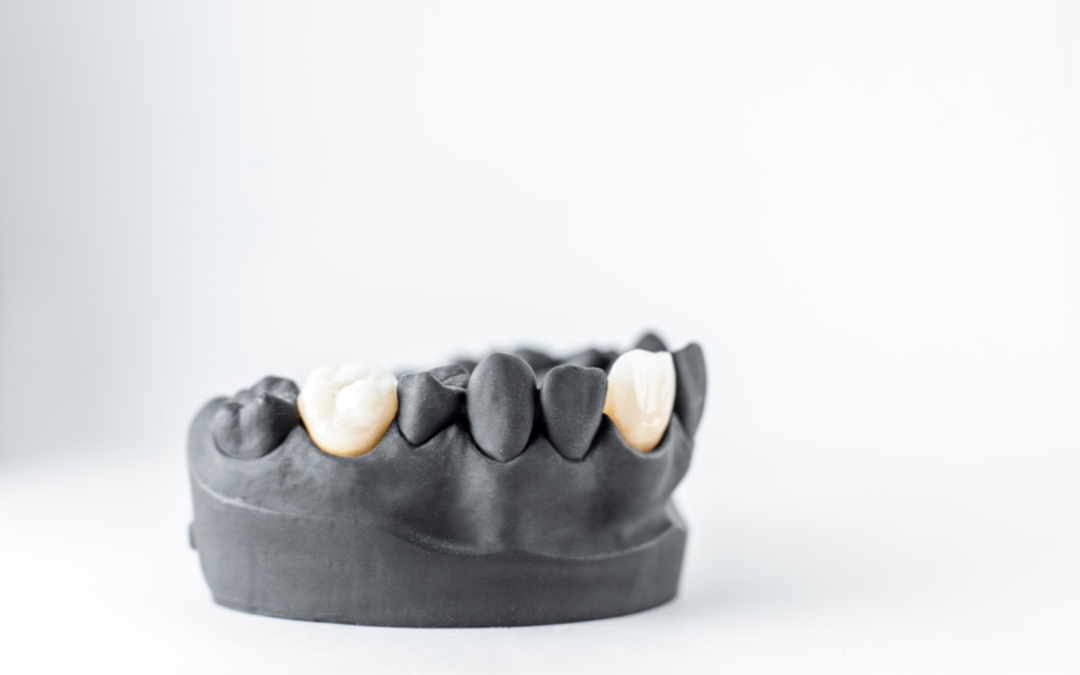
A dental crown is a tooth-shaped restoration placed over a weakened or damaged tooth to restore strength, function, and appearance. Crowns are commonly recommended after large fillings, fractures, or root canal treatment to protect the remaining tooth structure and improve chewing comfort. Over time, however, a crown may need to be removed or replaced due to wear, decay, or other dental issues.
So, how does a dentist safely remove a dental crown without harming the underlying tooth?
Removing a crown is a delicate procedure that must be performed by a dental professional using specialized tools and techniques. Dentists take great care to preserve as much natural tooth structure as possible while addressing the reason the crown needs removal. This process ensures that the tooth can be restored again with a new crown or an alternative treatment when needed.
When patients search for information about crowns in Provo, they often want to understand what happens during crown removal and whether the procedure is uncomfortable. The good news is that modern dentistry prioritizes comfort, precision, and patient safety throughout every step of the process.
Why a Dental Crown May Need to Be Removed
There are several reasons a dentist may recommend removing an existing crown:
- Tooth Decay Beneath the Crown – If bacteria enter the margins of the crown, decay may form underneath and must be treated promptly.
- Damage or Fracture – Crowns can chip or crack due to grinding, accidents, or normal wear.
- Poor Fit or Discomfort – An ill-fitting crown may cause bite problems, irritation, or gum inflammation.
- Aesthetic Changes – Some patients choose to replace older crowns to better match surrounding teeth.
- Underlying Dental Problems – Infection, inflammation, or structural tooth issues may require access beneath the crown.
The Step-by-Step Process of Removing a Dental Crown
Evaluation and Diagnosis
The dentist begins by examining the crown, surrounding gums, and underlying tooth. X-rays may be taken to assess the tooth’s condition and plan the safest method for removal.
Comfort and Anesthesia
Local anesthesia is typically used to numb the area, ensuring the procedure is comfortable and stress-free.
Loosening the Crown
Using precise dental instruments, the dentist carefully breaks down the cement or adhesive holding the crown in place. This may involve sectioning or gently cutting through the crown to release it without harming the tooth.
Safe Removal
Once loosened, the crown is lifted away from the tooth. In some cases, the crown may need to be removed in smaller sections to protect the underlying structure.
Assessment of the Tooth
After removal, the dentist examines the tooth for decay, cracks, or infection and recommends appropriate treatment before restoring the tooth again.
When patients search for a dentist near me, they often want reassurance that crown removal is handled with precision, care, and modern technology designed to protect their oral health and comfort.
What Happens After the Crown Is Removed?
Depending on the condition of the tooth, the dentist may:
- Repair decay or structural damage
- Recommend root canal therapy if infection is present
- Place a temporary crown while a new one is being made
- Discuss alternative restorative options if needed
The ultimate goal is to restore stability, comfort, and long-term tooth function.
FAQs About Dental Crown Removal
Is removing a dental crown painful?
No. The area is numbed before the procedure, so most patients only feel mild pressure rather than pain.
Can a crown be reused after removal?
In most cases, no. Crowns are often damaged during removal or no longer fit properly and need to be replaced.
How long does crown removal take?
The procedure usually takes 20–45 minutes, depending on crown type and condition.
Do temporary crowns always need to be placed afterward?
A temporary crown is typically used if the tooth will receive a new permanent crown later.
What happens if decay is found under the crown?
The decay is cleaned and restored before placing a new crown or recommended treatment.
Final Thoughts
Crown removal is a precise, carefully controlled dental procedure designed to protect your tooth while addressing underlying concerns such as decay, damage, or discomfort. With today’s advanced tools and techniques, patients can expect a safe and comfortable experience — along with a personalized treatment plan that supports long-term oral health and confidence.
Schedule an appointment today to discuss any concerns about your dental crown or tooth restoration needs.