
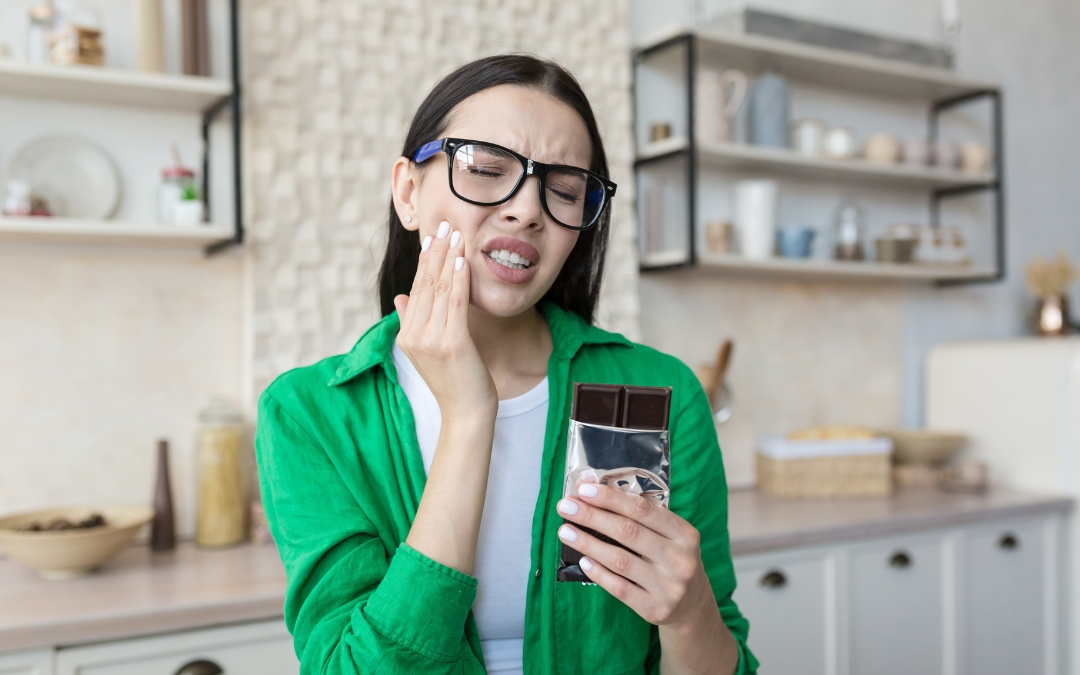
Completing a root canal can feel like a huge relief—after all, the treatment is meant to remove infection and protect your natural tooth. But what if you notice a sharp sensation when you bite down afterward? While it may seem concerning, mild to moderate biting discomfort is actually quite common during the healing phase. The nerve inside the tooth has been treated, yet the surrounding ligaments and tissues still need time to recover.
After the procedure, the area around the tooth can remain sensitive for several days. Everyday activities like chewing or clenching your teeth may trigger tenderness because the tissues are still adjusting. In most cases, this discomfort gradually fades as inflammation decreases and healing progresses.
Patients who undergo root canal therapy in Provo often ask whether this type of pain is normal. Dental professionals typically explain that temporary soreness is part of the recovery process, especially if the infection was severe before treatment. Visiting a trusted dentist Provo residents rely on ensures the tooth is carefully evaluated after the procedure so healing stays on track.
Understanding Why Biting Pain Happens
Although post-treatment sensitivity is expected, sharper pain when biting can stem from a few specific causes. Knowing what might be behind the discomfort can help you determine whether it’s simply part of healing or something that needs professional attention.
Tissue Inflammation
The procedure can irritate the ligaments that hold the tooth in place. When these tissues swell, even light pressure from chewing can feel uncomfortable. Thankfully, this type of inflammation usually improves within a few days.
Uneven Bite or High Filling
Sometimes the temporary or permanent filling sits slightly higher than your natural bite. This causes the treated tooth to absorb more pressure than neighboring teeth, leading to soreness. A quick adjustment by your dentist can often resolve the issue.
Lingering Infection
While root canals have a high success rate, bacteria can occasionally remain in complex canal spaces. If discomfort persists or worsens, your dental provider may recommend further evaluation to rule this out.
Hidden Cracks in the Tooth
Teeth that require root canals are often already weakened. If a crack was present beforehand—or develops afterward—it can cause noticeable pain when biting.
If you’re unsure whether your symptoms are typical, scheduling a follow-up with a qualified dentist Provo patients trust can provide reassurance and ensure the treated tooth is healing as expected.
Ways to Ease Biting Discomfort After Treatment
Recovering from a root canal doesn’t have to interfere with your daily routine. Simple care strategies can make a big difference in how quickly you feel like yourself again.
Take Pain Relievers as Directed
Nonprescription medications such as ibuprofen or acetaminophen can help reduce inflammation and control soreness. Always follow dosage guidelines provided on the label or by your dental professional.
Use a Cold Compress
Holding a cold pack against your cheek in 15–20 minute intervals can help minimize swelling. Wrap the compress in a cloth to protect your skin.
Choose Softer Foods
Stick with foods that don’t require heavy chewing for a few days. Options like oatmeal, mashed vegetables, smoothies, yogurt, and eggs are gentle on the treated tooth.
Maintain Gentle Oral Care
Continue brushing and flossing, but do so carefully around the sensitive area. A soft-bristled toothbrush can help prevent unnecessary irritation while keeping bacteria away.
Try a Warm Saltwater Rinse
Rinsing with warm salt water can soothe tissues and support healing. Mix about half a teaspoon of salt into a cup of warm water and swish gently.
Elevate Your Head While Sleeping
Keeping your head slightly raised may reduce pressure and help control swelling overnight.
When Should You Contact Your Dentist?
While mild tenderness is expected, certain symptoms shouldn’t be ignored. Reach out to your dental provider if you notice:
- Pain that lasts longer than a few days or becomes more intense
- Swelling that spreads or fails to improve
- Fever or chills
- A persistent unpleasant taste
- Drainage or pus near the treated tooth
Prompt care can prevent complications and protect the success of your treatment.
Supporting a Smooth Recovery
Biting pain after a root canal is usually temporary and manageable with proper care. Understanding the potential causes—and knowing when to seek help—can give you peace of mind as your mouth heals. With attentive follow-up and good oral hygiene, most patients return to normal eating habits quickly and comfortably.
If you’re experiencing ongoing discomfort or simply want reassurance that everything is healing properly, schedule an appointment today.
Frequently Asked Questions
How long does biting pain last after a root canal?
Most sensitivity improves within a few days to a week. If pain continues beyond that timeframe, a dental evaluation is recommended.
Is it normal for a tooth to feel sore when chewing after treatment?
Yes, mild soreness is common because the surrounding tissues need time to recover. However, severe pain should be checked by a dentist.
Can I eat normally after the procedure?
It’s best to stick with softer foods at first and avoid chewing directly on the treated tooth until your dentist confirms it’s ready.
What if my bite feels uneven?
An uneven bite often means the filling needs adjustment. This is a simple fix that your dentist can complete quickly.
Does biting pain mean the root canal failed?
Not necessarily. Temporary discomfort is part of healing, but persistent or worsening pain should be evaluated to rule out complications.