
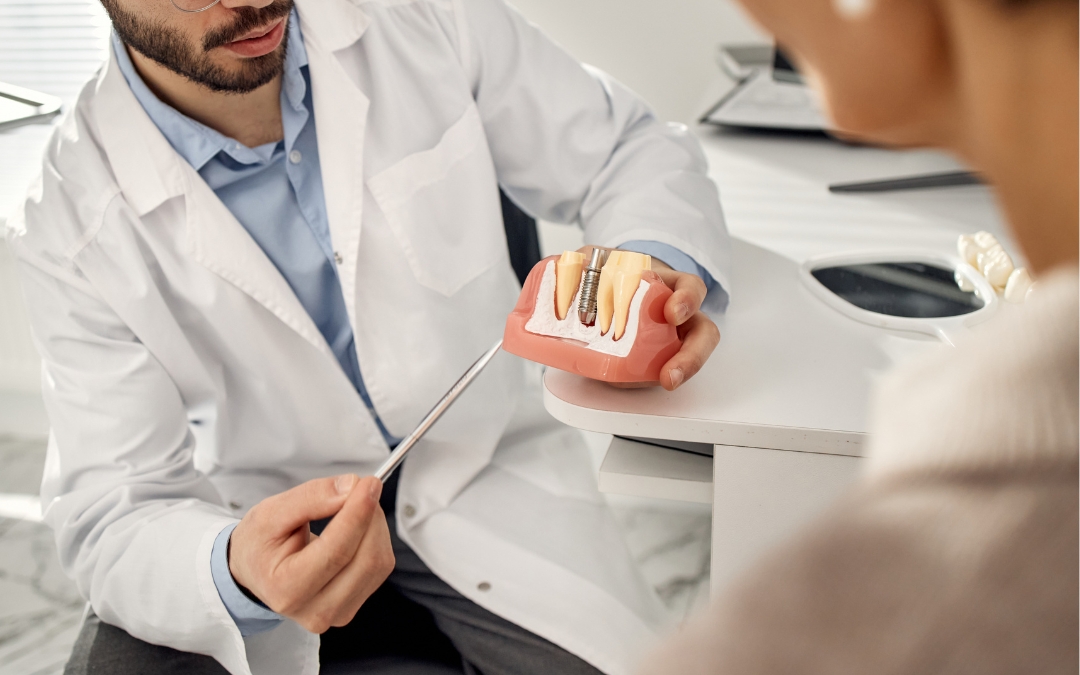
If you’ve already gone through a bone graft procedure, it’s completely normal to question what comes next—especially if you’re not planning to move forward with a dental implant. Many patients assume the graft only matters if an implant follows, but that’s not the full picture.
A bone graft can still serve an important purpose on its own, helping protect your oral health in ways that aren’t always obvious right away.
Why Bone Grafting Is Done in the First Place
Your jawbone needs regular stimulation to stay strong. When a tooth is lost or removed, that stimulation disappears, and the bone in that area can begin to shrink over time.
Bone grafting is a way to rebuild that lost volume. During the procedure, material is placed in the weakened area, encouraging your body to produce new bone. This is often done ahead of implants, but it’s also recommended in cases where preserving the jaw structure is the main goal.
What Actually Happens After the Procedure?
Once your bone graft is in place, your body treats it as a framework. Over the next several months, it gradually replaces the graft material with your own natural bone.
This process doesn’t depend on whether you get an implant. The graft continues to strengthen the area regardless. If you’re unsure about your next step, speaking with a dentist in Provo at Canyon Road Dental can help you understand how well your graft has healed and what options are still available to you.
Why a Bone Graft Still Matters Without an Implant
Even without placing an implant, a bone graft offers real, lasting benefits.
It Helps Maintain Your Facial Shape
Bone loss in the jaw can subtly change your appearance over time. A graft helps keep your jawline more defined and prevents that hollowed look.
It Creates a Better Base for Dentures
If dentures are part of your plan now or later, having stronger bone underneath can make them feel more secure and comfortable.
It Supports Everyday Use
Your jaw plays a role in speaking and chewing. Strengthening it can improve how naturally these functions feel.
It Reduces Stress on Nearby Teeth
When one area weakens, surrounding teeth can be affected. A graft helps stabilize that region and limits unwanted movement.
What to Keep in Mind If You Don’t Replace the Tooth
While the graft itself is beneficial, leaving the space empty for too long can still lead to some changes.
The Bone Can Slowly Change Again
Even after healing, bone in that area may gradually reduce if it isn’t being used to support a tooth or implant.
Teeth May Drift Into the Space
Nature tends to fill gaps. Nearby teeth can shift over time, which may affect alignment and bite.
Gum Tissue May Adjust
The gum in that area can recede slightly, which might impact how your smile looks and feels.
Other Ways to Replace a Missing Tooth
If implants aren’t something you want right now, there are still practical alternatives.
Dental Bridges
A bridge fills the gap by anchoring to the teeth next to it, restoring both function and appearance.
Dentures
Removable options can replace one or multiple teeth and are often a simpler solution for many patients.
All-on-4® implants
For those missing several teeth, this approach offers a more stable, long-term solution using fewer implants.
Final Thoughts
Choosing not to get an implant after a bone graft doesn’t mean the procedure was unnecessary. The graft continues to support your jaw, maintain structure, and protect surrounding teeth.
That said, it’s still important to have a plan for the missing tooth to avoid future complications. If you’re unsure about your next move, the team at Canyon Road Dental can walk you through your options in a way that makes sense for your needs. Schedule an appointment today to discuss what’s right for your smile and long-term oral health.
Frequently Asked Questions
Is a bone graft still useful without an implant?
Yes, it helps maintain bone structure and slows down further bone loss, even on its own.
How long does it take for a bone graft to fully heal?
Most grafts take a few months to integrate, though the exact timeline can vary from person to person.
Can I delay getting an implant after a bone graft?
Yes, many patients wait. Your dentist can monitor the area and advise you on timing if you decide later.
What happens if I leave the space empty?
Over time, nearby teeth may shift, and the bone could gradually reduce again.
Are there reliable alternatives to implants?
Yes, options like bridges and dentures can restore function and appearance effectively.