
A bone graft is an important step toward rebuilding a strong, healthy smile—but the healing phase that follows is just as important. In the days after your procedure, your mouth may feel sore, sensitive, and a bit unfamiliar. Even eating can feel like a challenge at first.
This is where your diet really matters. The foods you choose can either support your recovery or make it more uncomfortable. By sticking to gentle, nourishing options, you can help your body heal while avoiding unnecessary irritation.
Why Eating Carefully Matters After Surgery
After a bone graft, the treated area needs time to settle and begin healing. Putting too much pressure on it—especially from hard or crunchy foods—can interfere with that process. That’s why dentists often recommend keeping your meals soft and simple in the beginning.
If you’ve recently had your procedure done by a dentist Provo, UT, you were likely given personalized aftercare instructions. Following those guidelines, along with being mindful of what you eat, can help you recover more smoothly and with less discomfort.
Foods That Feel Easier to Eat
Go for Soft and Simple
Right after your procedure, your goal should be to avoid anything that requires a lot of chewing. Foods that are smooth and easy to swallow will feel much more comfortable.
Here are a few options people usually find helpful:
- Warm mashed potatoes
- Soft scrambled eggs
- Plain yogurt
- Applesauce
- Cottage cheese
- Tender fish that flakes easily
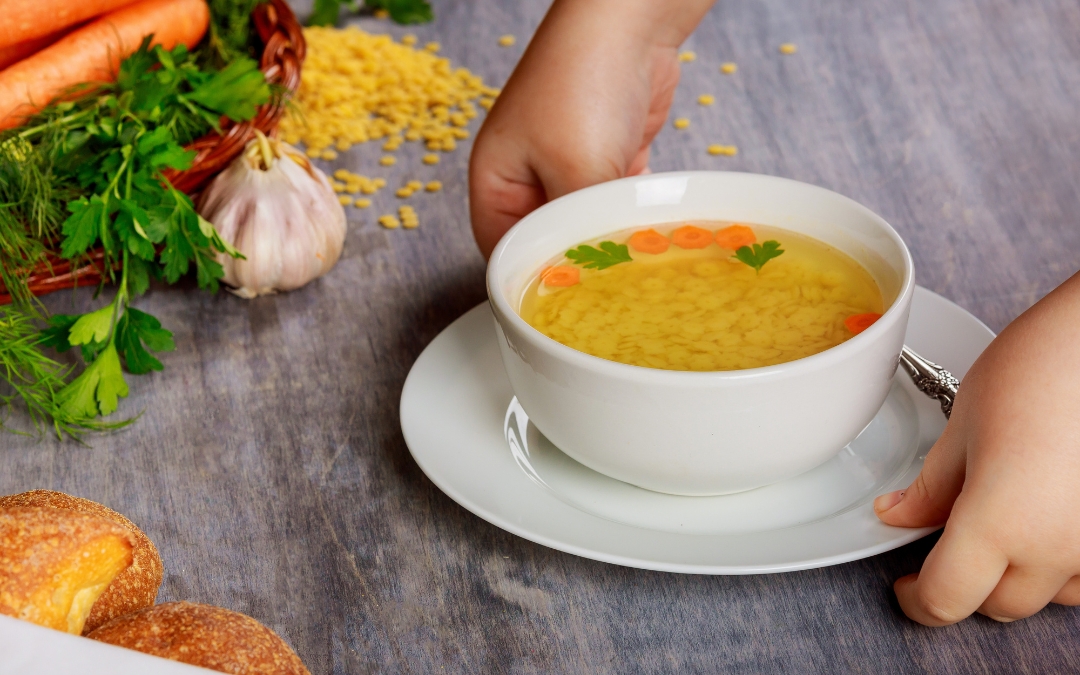
- Blended soups
- Ripe fruits like bananas or avocado
These foods are gentle on your mouth and don’t put pressure on the healing area.
Make Room for Protein
Your body needs protein to rebuild and repair tissue, especially after a procedure like this. Even if you’re eating smaller portions, try to include protein throughout the day.
Some easy choices include:
- Soft ground meats
- Fish
- Lentils or well-cooked beans
- Tofu
- Yogurt or soft cheeses
If chewing feels uncomfortable, you can always mash or blend these foods to make them easier to manage.
Add Nutrients Without Adding Stress
Vitamins and minerals quietly support your recovery in the background. You don’t need complicated meals—just simple, nutrient-rich foods that are easy to eat.
You might try:
- Soft fruits like melon, berries, or peaches
- Steamed vegetables that are easy to mash
- Smoothies with leafy greens
- Dairy or calcium-fortified alternatives
These help your body rebuild while keeping your meals light and manageable.
Keep Fluids a Priority
Staying hydrated can make a bigger difference than you might expect. It supports healing and helps prevent dryness in your mouth.
Stick with:
- Water
- Lukewarm herbal tea
- Broths
- Milk or plant-based options
Take slow sips and avoid anything too hot right after surgery.
Smoothies Can Be a Lifesaver
On days when eating feels like too much effort, smoothies can make things easier. They’re quick, customizable, and don’t require chewing.
You can blend together:
- Milk or yogurt
- Soft fruits
- Protein powder
- Nut butter or oats
Just remember—avoid using a straw for the first few days, as the suction can disturb the healing area.
Foods It’s Better to Skip for Now
While healing, some foods can do more harm than good. It’s best to stay away from anything that could irritate or disturb the surgical site.
That includes:
- Spicy dishes
- Acidic foods like citrus or tomatoes
- Crunchy snacks such as chips or nuts
- Sticky treats like caramel or dried fruit
- Very hot or icy foods
- Fizzy drinks
- Alcohol
Avoiding these for a short time can help you avoid discomfort and support proper healing.
Small Changes That Can Help You Feel Better
You don’t need to completely change your routine—just a few simple adjustments can make recovery easier:
- Eat slowly and in smaller portions
- Chew on the side that feels more comfortable
- Follow your dentist’s cleaning instructions carefully
- Give your body time to rest
- Notice how your mouth responds to different foods
If something doesn’t feel right, it’s okay to wait and try again later.
Let Your Body Guide You
Healing doesn’t follow the exact same timeline for everyone. Some people feel better within a few days, while others take a bit longer. The most important thing is to pay attention to how you feel and not rush the process.
If anything seems unusual or uncomfortable, it’s always best to check in with your dental provider.
A Smoother Recovery Starts with the Right Choices
Taking care of yourself after a bone graft doesn’t have to be complicated. By choosing foods that are soft, nourishing, and easy to eat, you can help your body recover without added stress.
A little patience, along with mindful eating, can go a long way in helping you feel better each day. If you have any concerns or need guidance during your recovery, be sure to schedule an appointment.
Frequently Asked Questions
How soon can I eat after the procedure?
You can usually eat once the numbness fades. Start with soft foods that are not too hot.
How long should I avoid hard foods?
Most people wait about a week, but it depends on how your mouth is healing.
Is coffee okay after a bone graft?
It’s better to wait a day or two and avoid drinking it hot at first.
Can I eat normal meals again soon?
You can slowly reintroduce regular foods as your comfort improves.
What are some easy snack ideas during recovery?
Soft foods like yogurt, smoothies, mashed avocado, and applesauce are all gentle and convenient options.