
Most people who lose a tooth don’t realize how much it affects daily life until it actually happens.
You start chewing differently. You avoid smiling without thinking about it. Sometimes even talking feels awkward because you’re suddenly aware of the gap in your mouth. That’s why many patients looking into dental implants in Provo are not only thinking about replacing a tooth — they’re trying to feel normal again.
Dental implants have helped a lot of people regain confidence because they stay secure and look natural. They also tend to last much longer than many other tooth replacement options. But even though implants are dependable, they are not indestructible.
Every now and then, an implant stops functioning the way it should. Some problems happen early after surgery, while others develop years later. Usually, there isn’t one dramatic moment where everything suddenly goes wrong. In most cases, the issue builds slowly over time.
At Canyon Road Dental, patients often ask what actually causes implants to fail and whether those problems can be avoided. The answer is yes — many of them can.
Dental Implants Depend on Healthy Gums and Bone
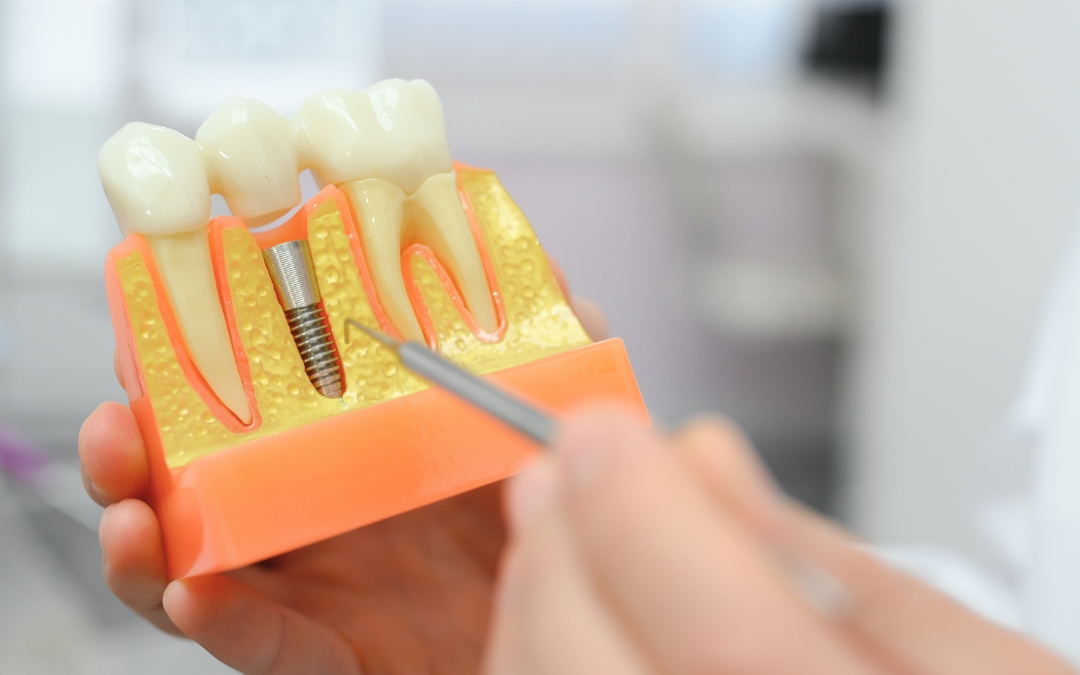
A dental implant is placed into the jawbone where the missing tooth root used to be. Over time, the bone is supposed to grow around the implant and hold it firmly in place.
That process sounds straightforward, but the body has to cooperate for everything to heal correctly.
If the gums become unhealthy or the bone weakens later on, the implant can lose support little by little. That’s one reason regular checkups with a dentist matter even years after implant treatment is finished.
A lot of patients assume implants do not need much attention once they heal. In reality, implants need consistent care for them to stay healthy long-term.
Infection Around the Implant
One of the biggest causes of implant problems is infection.
Bacteria can collect around the gumline and slowly irritate the tissue surrounding the implant. When that inflammation spreads deeper below the gums, it can eventually affect the bone underneath.
This condition is called peri-implantitis.
Many patients do not notice it immediately because the symptoms can start out mild. Someone may only notice slight bleeding while brushing or mild tenderness near the implant.
As the infection progresses, symptoms may include:
- Swollen gums
- Persistent bad breath
- Sensitivity while chewing
- Gum recession
- A loose feeling around the implant
Without treatment, the infection can destroy enough bone to create dental implant failure.
Gum Disease Makes Implant Problems More Likely
Patients with existing gum disease are usually at a higher risk for implant complications.
When gum tissue is already inflamed, harmful bacteria are often active beneath the surface long before an implant is placed. If those bacteria are not controlled, they may continue damaging the surrounding tissue afterward.
Healthy gums are important because they create a tight seal around the implant. Once that seal weakens, bacteria can move deeper into the area more easily.
An experienced dentist will usually check gum health carefully before recommending implants.
Smoking Slows the Healing Process
Smoking creates challenges that many patients do not immediately connect to oral health.
Tobacco affects circulation, which reduces the amount of oxygen and nutrients reaching the gums. That slower healing response can make implant recovery more difficult.
Smokers also tend to experience more inflammation and are more likely to develop implant infection compared to non-smokers.
Even patients who have had implants for years may notice more complications if smoking continues long-term.
Grinding Teeth Places Pressure on Implants
Teeth grinding may not seem serious at first, but constant pressure can slowly affect dental work over time.
Many people clench their teeth during sleep without realizing it. That repeated force may place strain on the implant and surrounding bone.
Unlike natural teeth, implants do not have flexible ligaments that help absorb pressure. Because of that, grinding can sometimes create tiny amounts of stress that build gradually over the years.
Patients who grind their teeth regularly may benefit from a custom nightguard.
Skipping Dental Visits Can Lead to Bigger Problems
Most implant complications do not appear overnight.
Small issues often begin quietly. Plaque hardens around the gums. Inflammation develops slowly. Mild irritation becomes deeper infection.
Routine cleanings help remove buildup from areas that are difficult to clean properly at home.
Patients who continue seeing a dentist Provo after implant treatment are often able to avoid more serious problems because concerns are identified earlier.
Bone Loss Around the Implant
Bone plays a major role in keeping implants stable.
If the jawbone weakens, shrinks, or becomes damaged by infection, the implant may no longer stay secure. This can happen gradually over several years.
Bone loss sometimes affects patients who waited a long time to replace missing teeth. It may also happen because of untreated inflammation around the implant.
In some situations, bone grafting may be recommended before implant placement to improve support.
Health Conditions Can Affect Recovery
Every patient heals differently.
Conditions such as diabetes, autoimmune disorders, or osteoporosis may interfere with healing after implant surgery. Certain medications may also affect how the body responds during recovery.
That doesn’t automatically mean implants will fail. It simply means the treatment process may require additional planning and monitoring.
Signs an Implant May Be Struggling
Most patients notice subtle symptoms before a serious problem develops.
Some warning signs include:
- Bleeding near the implant
- Swollen gums
- Pain while chewing
- A loose sensation
- Ongoing tenderness
- Bad taste in the mouth
- Receding gums
It’s always better to address these symptoms early rather than waiting for the condition to worsen.
Implant Maintenance Tips That Actually Matter
Good habits make a major difference in long-term implant success.
Helpful implant maintenance tips include:
Brush Thoroughly Every Day
Cleaning near the gumline helps remove bacteria before inflammation begins.
Floss Consistently
Food and plaque often collect around implants in places toothbrushes miss.
Keep Your Dental Appointments
Professional cleanings help prevent buildup that may lead to failed implants later.
Avoid Using Teeth as Tools
Chewing ice or opening packages with your teeth can place unnecessary pressure on restorations.
Pay Attention to Changes
If something feels unusual, scheduling an exam sooner rather than later is always the safer choice.
Final Thoughts
Dental implants can completely change the way someone eats, speaks, and feels about their smile. But long-term success depends on more than simply placing the implant itself.
Many cases of dental implant failure begin with small problems that slowly worsen over time — gum inflammation, skipped cleanings, grinding, smoking, or untreated infection. Paying attention to those early warning signs can make a significant difference.
If you have questions about implant health or are considering dental implants in Provo, visiting a trusted dentist can help you better understand how to protect your smile for the long run.
Schedule an Appointment with Canyon Road Dental to talk about your oral health concerns and personalized implant care options.
Frequently Asked Questions
Are dental implants safe long-term?
Yes. Most implants function successfully for many years when patients maintain healthy gums and proper oral hygiene.
Can a failed implant be replaced?
In many situations, yes. The area may first need treatment or healing before another implant is placed.
Does peri-implantitis always cause implant loss?
Not always. Early treatment may stop the infection before major bone damage occurs.
Is smoking really that harmful to implants?
Yes. Smoking increases inflammation and slows healing, both of which raise the risk of complications.
How often should implants be checked?
Patients should continue routine dental visits just like they would for natural teeth.