
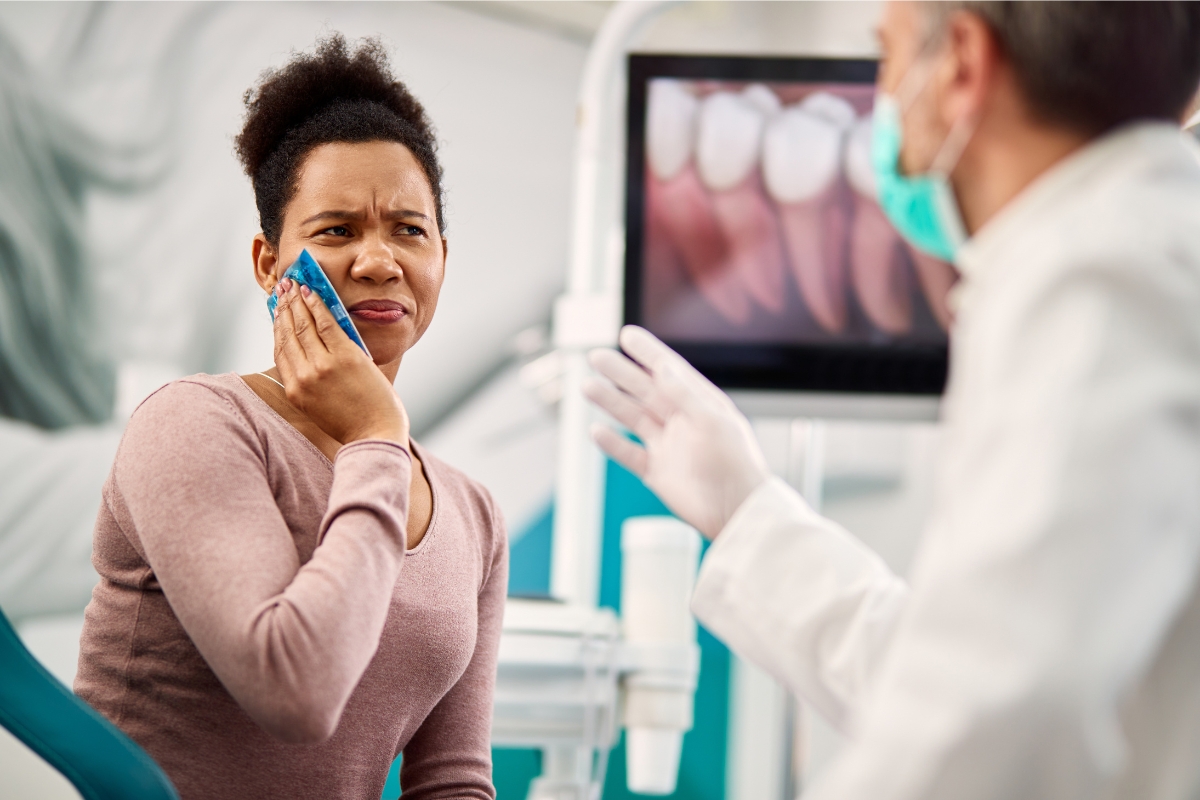
A knocked-out tooth can feel like one of those moments where time slows down. Whether it happens during a family softball game at Kiwanis Park or from an unexpected fall at home, the initial panic is real. The mix of fear, confusion, and worry about long-term dental health can make anyone freeze. But there’s good news—modern dentistry gives knocked-out teeth a strong chance of survival if you act quickly and follow the right steps.
In this guide, we’ll break down what happens during avulsed tooth treatment, how an emergency dentist in Provo approaches your situation, and what you can do in the first critical minutes to protect your smile.
Why a Knocked-Out Tooth Is a True Dental Emergency
When a tooth is fully displaced from its socket, it’s considered an avulsion. Blood vessels and nerves are damaged instantly, which means the clock starts right away. According to available dental research, reimplantation success rates drop significantly after 30–60 minutes. That’s why urgent dental care is essential.
These statistics show why understanding tooth preservation and the role of an emergency dentist becomes so important for anyone facing this situation.
How an Emergency Dentist Handles a Knocked-Out Tooth
Local dental teams in Provo understand the pace of emergencies—especially with active communities, school athletics, and outdoor sports like biking along the Provo River Trail. When you arrive, here’s what typically happens:
Immediate Evaluation and Cleaning
The dentist will examine the avulsed tooth, assess gum and bone structures, and remove any debris. Keeping the root intact is essential for re-implantation.
Re-implantation and Stabilization
If the tooth is still viable, the dentist will reposition it back into the socket and secure it with a splint. Stabilization may last several weeks, depending on how your mouth responds.
Long-Term Planning
Follow-up appointments help monitor healing. Not every tooth survives, but early treatment dramatically increases success. The dentist evaluates nerve recovery and may recommend additional care if needed.
What You Should Do Immediately After a Knocked-Out Tooth
Those first few minutes matter. Here’s what research and dental guidance recommend:
Handle Only the Crown, Not the Root
Touching the root can damage delicate fibers important for reattachment.
Rinse Gently Without Scrubbing
Use saline or milk. Avoid soap and do not scrub.
Try Placing the Tooth Back in the Socket
If comfortable, gently push it back into place and keep pressure by biting on gauze.
Keep It Moist if Re-insertion Isn’t Possible
Milk works well, as does a tooth preservation kit. Studies show teeth stored in milk can maintain surface cell viability better than dry storage.
Get to a Dentist Immediately
The sooner you arrive, the better the outcome. This is where having access to urgent dental care in Provo becomes crucial.
Local Context: Why Quick Access in Provo Matters
Provo is an active, family-driven city where sports, hiking, recreation centers, and school activities often keep people on the move. This naturally increases the risk of dental injuries. Traveling across town during peak hours or from higher-traffic areas near BYU can add precious minutes—another reason to head to the nearest provider instead of delaying.
Even a quick web search using dentist near me on your phone can help identify the closest available professional, which matters when the tooth’s survival window is narrow.
Can Every Knocked-Out Tooth Be Saved?
Not always—but many can be.
Tooth survival depends on factors like:
-
How quickly re-implantation occurs
-
How the tooth was handled
-
Whether it was stored in a proper medium
-
The age of the patient (teeth in younger patients often heal better)
Most dental studies show that re-implantation within 30 minutes has the best success rates. After 60 minutes of dryness, survival becomes less likely—but still not impossible with the right treatment.
Does a Knocked-Out Tooth Always Need a Root Canal?
Often yes, but not always.
Adult teeth typically require root canal therapy to prevent infection and restore long-term function. Children’s teeth may respond differently because their roots are still developing, allowing for better natural healing.
How Painful Is the Procedure?
Most patients describe the process as uncomfortable rather than painful. Local anesthesia reduces sensation during re-implantation. Mild soreness over the next few days is normal.
How to Lower the Chances of Losing a Tooth in the Future
-
Wear a mouthguard during sports
-
Keep dental preservation kits in school sports bags
-
Maintain regular exams to ensure gum and bone health
-
Teach kids how to handle a lost tooth safely
Provo schools and youth sports programs are increasingly recommending mouthguards, especially with the growth of hockey, soccer, and lacrosse participation.
Frequently Asked Questions
How fast do I need to see a dentist after a knocked-out tooth?
Ideally within 30–60 minutes. The sooner you get urgent dental care, the better the chance of saving the tooth.
What if I cannot reach my regular dentist?
Use your phone to search dentist near me and go to the nearest available provider. Time matters more than loyalty in avulsion emergencies.
Can a baby tooth be re-implanted?
No, baby teeth are not re-implanted because it can affect permanent tooth development.
What should I store the tooth in if milk isn’t available?
Saline or a tooth preservation kit is best. Water should be used only as a last resort.
What if the tooth breaks during the accident?
Broken teeth may still be repairable. Bring all fragments to the dentist.
Final Thoughts
A knocked-out tooth is stressful, but it doesn’t have to be a permanent loss. With fast action, careful handling, and help from an emergency dental team in Provo, there’s a strong chance of saving your natural tooth. If you ever face this type of emergency, don’t wait—your smile depends on timing. Reach out for urgent help and schedule an appointment as soon as possible to protect your long-term oral health.