
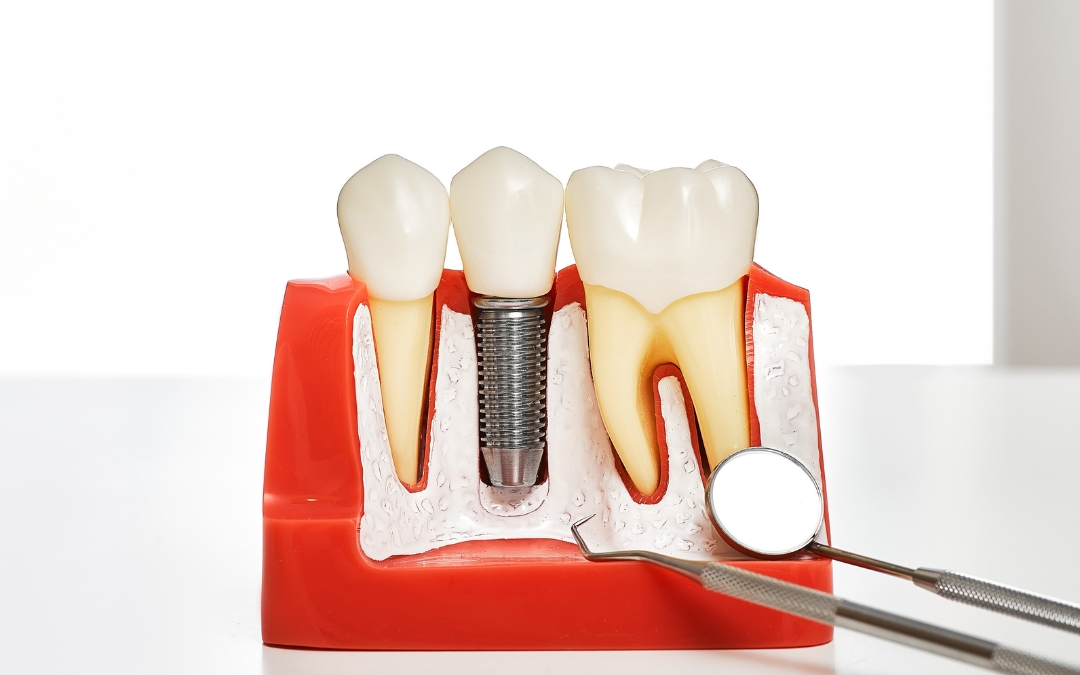
Losing bone in the jaw can make it difficult to maintain a healthy, functional smile. Whether bone loss occurs after a tooth extraction, because of gum disease, or due to an injury, rebuilding that structure is often necessary before moving forward with restorative treatments. A dental bone graft is a reliable procedure designed to restore bone volume, creating the support your teeth — and future restorations — depend on.
Understanding the healing timeline helps patients feel more prepared and confident about the process. While recovery varies from person to person, knowing what happens after surgery and how long each phase may last can make the experience far less stressful.
For patients considering dental implants in Provo, bone grafting is often the first step toward achieving long-term tooth replacement. Implants require a stable foundation to fuse properly with the jawbone, and grafting strengthens the area so the implant can function like a natural tooth. With proper planning and care, this preparation significantly improves treatment success.
What Is a Dental Bone Graft?
A dental bone graft is a surgical procedure that rebuilds weakened or missing bone in the jaw. Over time, the jawbone naturally shrinks when it no longer supports a tooth. Without intervention, this loss can affect facial structure, oral function, and eligibility for treatments like implants.
Common reasons a bone graft may be recommended include:
- Tooth removal that leaves an empty socket
- Advanced periodontal disease damaging supporting bone
- Trauma or fractures in the jaw
- Naturally thin or underdeveloped bone
Beyond preparing the jaw for implants, grafting can also help preserve facial contours and improve overall oral stability.
Types of Bone Grafts Used in Dentistry
Dentists select grafting materials based on the patient’s needs, the size of the area, and long-term treatment goals.
Autografts:
This method uses bone taken from your own body, often from the chin or another area of the jaw. Because it is your natural tissue, it integrates efficiently and carries minimal risk of rejection.
Allografts:
Derived from carefully screened donor bone, this option eliminates the need for a second surgical site. The material supports new bone growth as your body gradually replaces it.
Xenografts:
Typically sourced from bovine bone, these grafts are processed for safety and act as a scaffold that encourages your body to generate new bone over time.
A qualified dentist in Provo will evaluate your oral health, review imaging, and recommend the most suitable graft type to ensure predictable healing.
The Dental Bone Graft Healing Process
Healing happens gradually as your body accepts the graft and builds new bone around it. Though the timeline differs for everyone, the biological stages generally follow a predictable pattern.
Early inflammatory stage
During the first few days, mild swelling, tenderness, and redness are normal. This is your body initiating the repair process.
Blood vessel development
New circulation begins forming within the grafted area, delivering oxygen and nutrients essential for regeneration.
Bone formation
Over the next several months, fresh bone cells develop and replace much of the grafting material. This phase is critical for long-term strength.
Remodeling
Finally, the newly formed bone reshapes itself to match the surrounding structure, preparing the area for future restorations such as implants.
Typical Bone Graft Healing Timeline
While every patient heals differently, the following timeline offers a general idea of what to expect:
First 1–2 weeks:
Some discomfort and swelling are common but manageable with prescribed medication and cold compresses. Most patients follow a soft-food diet and avoid pressure on the area.
Around 3–4 months:
New bone becomes more established. Daily activities usually feel normal again, though your dentist will continue monitoring progress.
Approximately 6–9 months (or longer):
The graft typically reaches full integration. At this point, your dentist can determine whether the site is ready for implant placement.
Factors That Influence Healing Time
Several variables can affect how quickly your graft matures:
Type and size of the graft:
Smaller socket grafts often heal faster than more complex procedures such as sinus lifts or ridge augmentation.
Overall health:
Patients with strong immune systems and balanced nutrition often experience smoother recovery.
Age:
Bone regeneration generally slows with age, though successful outcomes are still very achievable.
Lifestyle habits:
Smoking restricts blood flow and can significantly delay healing. Limiting alcohol and maintaining a nutrient-rich diet also supports recovery.
Post-surgical care:
Following instructions carefully — including hygiene routines and follow-up visits — greatly improves healing outcomes.
Recovery Tips for a Smooth Healing Experience
Proper care after surgery protects the graft and encourages predictable results.
Manage discomfort effectively
Take medications exactly as directed, and use ice packs intermittently during the first 24–48 hours to reduce swelling.
Choose gentle foods
Stick with yogurt, soups, mashed vegetables, smoothies, and other soft options initially. Gradually reintroduce firmer foods when advised.
Maintain careful oral hygiene
Brush with a soft-bristled toothbrush and avoid direct contact with the surgical area. If recommended, use an antibacterial rinse to control bacteria.
Prioritize rest
Give your body time to heal by limiting strenuous activity for several days.
Attend follow-up visits
Regular checkups allow your dental team to ensure the graft is integrating properly and address any concerns early.
Additional Considerations During Recovery
Patients often have questions about what is safe during the healing period.
Can you smoke after a bone graft?
It is strongly recommended to avoid smoking because it slows circulation and increases the risk of complications.
When can solid foods return?
Most people transition back to normal foods gradually after the initial healing phase, depending on comfort and professional guidance.
Is exercise allowed?
Light movement is fine, but intense workouts should wait until your dentist confirms it is safe.
Watch for warning signs
Contact your dental provider if you notice severe pain, persistent bleeding, fever, unusual discharge, or numbness that does not improve.
Moving Toward Dental Implants
Bone grafting is an important investment in your long-term oral health. By rebuilding the jaw, it creates the stability needed for implants that look natural, feel comfortable, and function reliably for years. Patience during healing pays off with stronger results and fewer complications.
If you believe you may benefit from this procedure or want to explore tooth replacement options, schedule an appointment today to discuss your personalized treatment plan.
Frequently Asked Questions
How painful is a dental bone graft?
Most patients experience mild to moderate soreness instead of severe pain. Medication and proper aftercare typically keep discomfort manageable.
How long should I wait before getting dental implants after a graft?
Many patients are ready within 6–9 months, though smaller grafts may heal sooner. Your dentist will confirm when the bone is strong enough.
Can a bone graft fail?
Failure is uncommon but possible. Risks decrease significantly when patients follow post-operative instructions and attend follow-up visits.
Will my face look different after a bone graft?
In many cases, rebuilding lost bone can actually help maintain natural facial contours by preventing further shrinkage.
Are bone grafts safe?
Yes. Modern grafting materials are carefully tested and widely used, making the procedure predictable and effective for restoring jaw structure.