
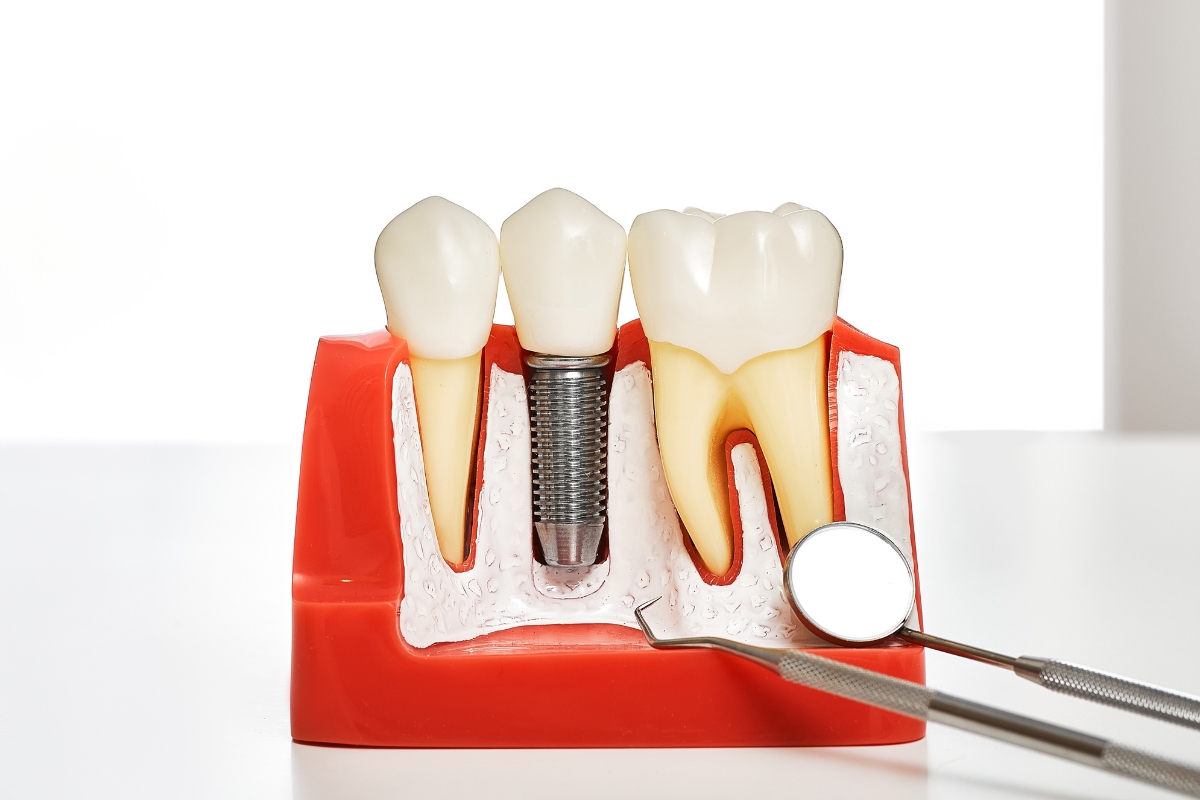
When something feels different about your smile, it’s often more emotional than physical. Many people in Provo share the same concerns when facing tooth loss—worry about how it affects eating, confidence, and long-term oral health. These feelings are normal, and they often show up long before someone considers a solution like dental implants. Understanding the early signs can make the decision easier and help you protect your health in time.
This guide walks you through the symptoms that may point toward needing treatment, using real-life context and everyday experiences that many residents in Provo can relate to—like difficulty chewing at your favorite Center Street restaurants or feeling self-conscious during work meetings at BYU or local offices. Everything here is meant to help you recognize what your mouth is trying to tell you.
Early Symptoms That Suggest Something Isn’t Right
Most oral health concerns start small. A little tenderness. A tooth that feels “off.” A slight shift in your bite. These early signs might seem minor, but they often hint at deeper issues beneath the surface.
Persistent Pain or Pressure
Pain that lingers—whether sharp or dull—can be your body’s way of signaling severe decay, a dental abscess, or bone loss beginning around a compromised tooth. If this discomfort makes chewing uncomfortable, especially on one side, it may indicate that the surrounding structure is weakening.
Changes in Your Bite
Some people in Provo notice this while eating something simple, like a sandwich or apple. If your teeth no longer come together naturally, it could be due to shifting caused by a missing tooth or one that’s close to failing. Misalignment is a major sign that long-term stability may require something as reliable as an implant.
Signs You May Need Dental Implants
By the time people begin exploring dental implants in Provo, they’ve often gone months or years dealing with quiet, persistent symptoms. These are the clearest signals your oral health might benefit from implants.
Tooth Loss or a Tooth at Risk
Tooth loss doesn’t always happen suddenly. Sometimes the surrounding bone weakens from infection or severe decay. Other times, gum disease slowly destabilizes a tooth until it no longer holds. If you’ve already lost a tooth—or your dentist mentions that one is becoming structurally compromised—implant treatment may be the most stable long-term path.
Difficulty Chewing or Increased Sensitivity
If chewing certain foods feels uncomfortable or if your adjacent teeth suddenly feel more sensitive, your bite may be compensating for a missing tooth. This can lead to strain on your jaw joints and neighboring teeth. Dental implants help restore natural chewing patterns and prevent overloading other areas of your mouth.
Visible Gaps or Shifting Teeth
A missing tooth often triggers movement in the surrounding teeth. Over months, gaps become more visible, small spaces develop, and your bite alignment changes. Many Provo residents notice this when flossing becomes more difficult or when their smile looks subtly different in photos.
Signs of Bone Loss
Jawbone loss usually has no pain associated with it. You may notice subtle facial changes, like a slightly sunken appearance near the cheeks or mouth. This happens because the bone no longer receives stimulation from a natural tooth root. Dental implants can help stop this progression by mimicking root support.
Chronic Gum Issues
If you’ve struggled with gum inflammation, recurring infections, or a history of untreated dental abscesses, these issues may weaken the tissues that support your teeth. Once the structure becomes unstable, implants can help reinforce long-term oral function once the infection is treated.
Data-Backed Insight: Why These Signs Matter
Studies referenced by the American Dental Association suggest that untreated tooth loss increases the risk of bone loss by nearly 25% within the first year. Over time, this affects chewing ability, nutrition, and overall oral stability. Early intervention with implants helps preserve bone and prevent the cycle of shifting teeth and declining function.
Local Insight for Provo Residents
Living in Provo means staying active, whether it’s hiking Bridal Veil Falls, spending weekends at Utah Lake, or attending campus events. Tooth loss can interfere with everyday routines—chewing, smiling, speaking, or even feeling confident in social settings. Many local patients share that they waited too long to address symptoms, only realizing later how easily implants could restore comfort and normal function.
If you’re noticing changes like missing tooth symptoms, discomfort when biting, or shifting teeth, it’s worth checking in with a trusted dentist in Provo for a clear assessment. You can also book an evaluation to understand what’s happening beneath the surface and explore long-term solutions.
Frequently Asked Questions
How do I know if a failing tooth needs to be replaced with an implant?
If the tooth shows signs of severe decay, repeated infections, or instability when chewing, an implant may be the most reliable long-term solution.
Are dental implants painful?
Most patients describe the procedure as more comfortable than expected. Modern technology and local anesthesia make the process predictable.
How long do dental implants last?
With regular care, implants often last decades, sometimes a lifetime.
What if I have multiple missing teeth?
Implants can replace one tooth or several. Depending on your case, an implant bridge or implant-supported denture may be recommended.
Is bone loss reversible?
Bone grafting can help rebuild lost bone and prepare the jaw for implant placement if needed.
Take the First Step Toward Restoring Your Smile
Recognizing the signs early—whether it’s tenderness, shifting teeth, or changes in chewing—makes a huge difference in protecting long-term oral health. Dental implants offer stability, comfort, and natural function for people managing tooth loss. If you’re noticing any of these symptoms, it may be time to speak with a dentist about your options and schedule an appointment to explore what’s best for your smile.