
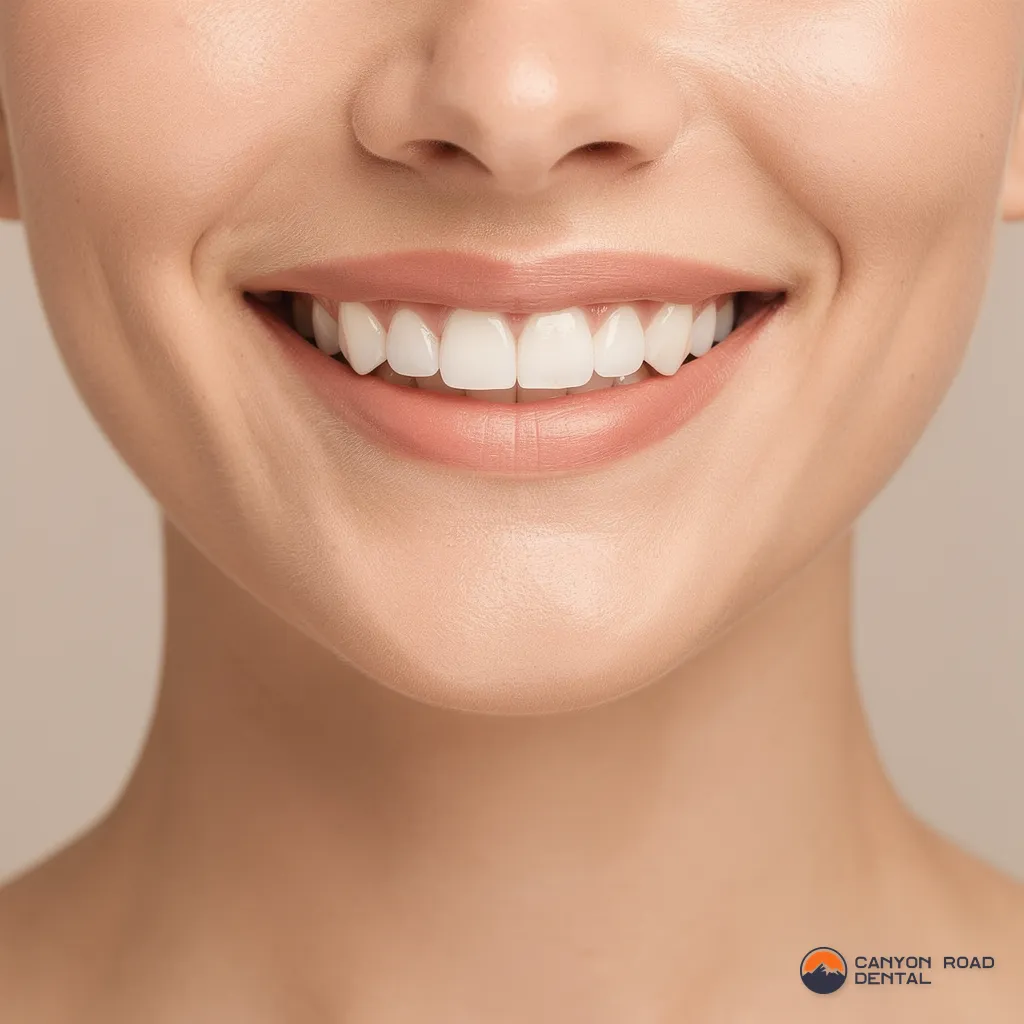
When it comes to how long do veneers last, porcelain veneers last longer than composite veneers, depending on your oral hygiene and habits. Your bite strength, grinding tendencies, and daily care routine directly affect how long your veneers hold up. Routine dental checkups help you catch wear early and protect your investment for years to come.
Key Takeaways
Porcelain veneers last 5-15 years with proper care and maintenance at home.
Composite veneers typically require more frequent replacement than porcelain alternatives.
Your veneer lifespan depends on material choice and daily oral hygiene habits.
Canyon Road Dental helps you select the right veneer solution for longevity.
How Long Do Veneers Last, Really?
Porcelain veneers can serve you well for 5 to 15 years. Composite veneers tend to sit at the shorter end of that range. Material choice and daily habits both shape the outcome. How long do veneers last ultimately depends on two things: what they’re made of, and how consistently you protect them.
Dental Veneers are not designed to be permanent fixtures. Think of them as a long-term investment rather than a one-time purchase. With consistent brushing, flossing, and regular checkups, a well-placed veneer holds up for years without needing replacement. Skip that maintenance, and you shorten the timeline considerably.
Porcelain remains the material most patients choose when planning a smile makeover, and for good reason. It resists staining better than composite resin and holds its polish longer, which is part of why it has become such a popular option for covering discoloration, chips, and gaps. Composite veneers cost less upfront but generally wear faster and need touch-ups sooner.
Does the Material Really Change the Lifespan?
Yes. Porcelain is denser and more stain-resistant, so it typically stretches toward the 15-year mark with proper care. Composite resin, while more affordable, tends to show wear sooner and may need refinishing or replacement well before porcelain does.
Why Does Lifespan Matter Before You Commit?
Longevity is one of the biggest factors patients weigh before moving forward with veneers. A shell that fails early means added cost and another round of appointments.
What Determines Veneer Durability?
Material choice, daily habits, and your own gum tissue together decide how your veneers hold up year after year. Each factor plays a different role, and understanding them helps you protect your investment in Provo’s dry, high-elevation climate.
Your veneers, whether crafted from porcelain or composite resin, start as thin, custom-shells bonded directly to the front surface of your teeth. This bonding process corrects discoloration, chips, gaps, and minor misalignment, giving you a refreshed smile. But the shell is only part of the equation.
Does the Material You Choose Affect Longevity?
Yes. Stain-resistant porcelain and composite dental resin behave differently under daily wear. Porcelain tends to resist staining and holds its polish longer. Composite resin often requires more frequent touch-ups to maintain its finish. Your dentist can walk you through which material fits your bite pattern and cosmetic goals.
Can Brushing Habits Damage Veneers?
Brushing too aggressively, or reaching for a hard-bristled brush, wears down the gum tissue surrounding your veneer margins. That gum recession exposes the edge of the restoration and changes how the smile looks over time. A soft-bristled brush and a gentler hand go a long way toward preserving that seamless edge.
Beyond technique, your own biology matters too. Consider these gum-related factors:
Tissue thickness: Some patients are born with naturally thinner or more sensitive gum tissue, making the margin around veneers more vulnerable to recession.
Brushing pressure: Firm, aggressive strokes accelerate wear at the gumline regardless of gum type.
Bristle choice: Stiff bristles amplify the damage that heavy pressure already causes.
Recognizing these variables early lets you. Your dental team build habits that keep your veneers looking their best for years to come.
How Can You Protect Your Veneers Daily?
Daily habits determine whether your veneers stay stable for years or start causing trouble sooner than expected. Plaque buildup along the gumline lets harmful bacteria accumulate. That bacterial activity weakens the gum tissue supporting your veneer-covered teeth. Skipping this daily protection isn’t a minor lapse—it puts your investment at risk.
Brushing and flossing form your first line of defense. Poor habits here, combined with smoking or high stress levels, raise your risk of gum problems that can undermine veneers over time. Your gums need to stay healthy because they’re literally holding your restoration in place.
What happens if gum disease goes untreated around veneers?
Untreated gum infections don’t stay contained—they weaken the surrounding tissue that keeps your veneer-covered teeth stable. Loose tissue means less support for the tooth structure underneath your veneer. Left alone, this can shorten the lifespan of work that should last for years.
Does veneer placement affect how long they last?
Fit matters as much as home care. Your dentist takes a precise impression of your teeth to create the model used for your veneer. That accuracy at placement supports long-term durability. A veneer that fits properly resists the gaps and pressure points where bacteria tend to settle.
Build these habits into your routine:
Brush twice daily along the gumline, not just the tooth surface
Floss every day to clear plaque veneers can’t push out on their own
Avoid smoking, which raises gum disease risk
Manage stress, since it’s linked to higher susceptibility to gum problems
Keep up with regular checkups so early gum issues get caught before they spread
Consistency protects both your gums and your veneers—neglect either one, and both suffer.
When Should You Watch for Warning Signs?
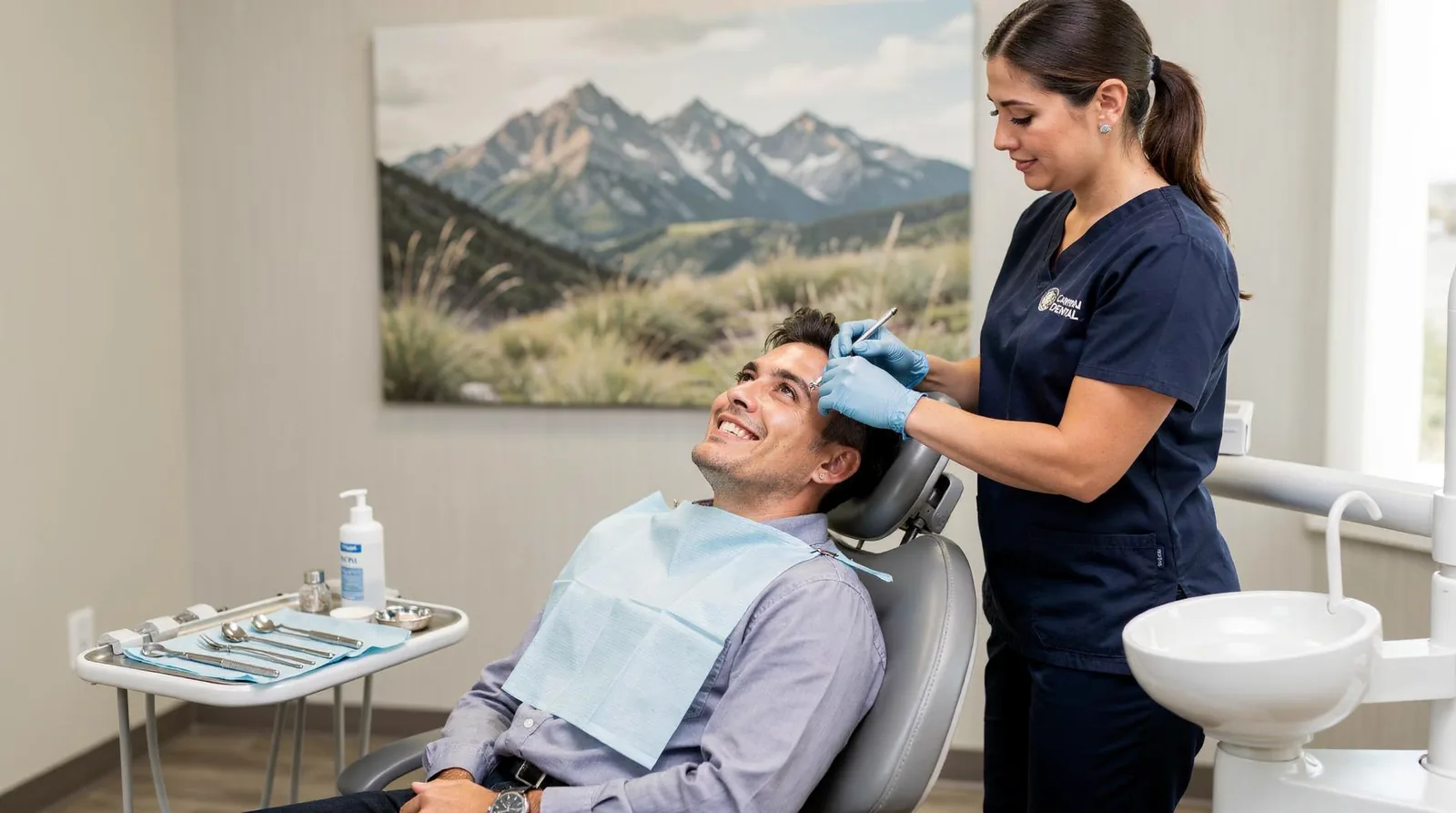
Gum tissue around a veneer tells you when something is wrong long before the restoration itself fails. Sore or swollen gums near a veneer can turn an ordinary morning into an uncomfortable one. That discomfort is not something to brush aside. Catching these signals early protects both your gum health and the investment you made in your smile.
What symptoms signal a problem near a veneer?
Pain while chewing deserves attention right away. So does redness along the gumline or breath that stays unpleasant no matter how often you brush. These are often early warning signs that the tissue surrounding a veneer needs professional attention, not just a better toothbrush.
Watch for this pattern of symptoms:
Tenderness or soreness when biting down
Gums that look puffy, red, or pull away from the veneer’s edge
Bad breath that lingers despite consistent oral hygiene
Swelling that doesn’t ease within a few days
What if home care doesn’t help?
Better brushing and flossing solve minor irritation most of the time. But when gum pain or swelling near a veneer refuses to improve with improved hygiene alone, professional evaluation becomes necessary. Waiting too long risks deeper infection.
A tooth abscess forming beneath a veneer-covered tooth counts as a serious problem, never one to ignore. Left untreated, an abscess threatens the tooth structure holding your veneer in place. If you notice throbbing pain, facial swelling, or a bad taste that won’t go away, schedule an exam promptly rather than waiting for symptoms to worsen on their own.
How Do You Extend Your Veneers’ Lifespan?
Longevity depends heavily on how well you protect the gum tissue and natural tooth structure surrounding each veneer. How long veneers last varies widely from patient to patient—some smiles hold up for decades, while others require earlier replacement. That range depends less on luck and more on the attention you give your gums and the professional care backing them up.
Gum health plays a bigger role than most patients expect. A qualified dentist can evaluate the tissue around your veneers and catch warning signs early. Small irritations grow into bigger problems. Recommended treatment might include a deep cleaning or ongoing periodontal care, both aimed at protecting the foundation your veneers rely on.
What Happens If You Notice Gum Irritation Near a Veneer?
Redness, swelling, or tenderness near a veneer-covered tooth deserves prompt attention. Left unchecked, irritation near restorative work can progress into infection and compromise the surrounding tissue.
Can You Treat an Infection at Home?
Home remedies may ease discomfort temporarily, but they will not resolve an infection on their own. Any infection near a veneer-covered tooth still needs proper dental care to fully heal.
Practical steps that support longevity include:
Scheduling routine evaluations to monitor gum tissue and veneer condition
Addressing tenderness or swelling before it worsens
Following through with recommended periodontal treatment rather than delaying care
Canyon Road Dental, based in Provo, UT, helps area patients keep their veneers—and the gum tissue supporting them—in strong condition for years to come.
FAQ
How long do veneers last?
Porcelain veneers last 5 to 15 years with proper care, while composite veneers typically require more frequent replacement. Your oral hygiene habits and daily care routine directly affect this lifespan.
Which lasts longer, porcelain or composite veneers?
Porcelain lasts longer than composite because it resists staining better and holds its polish longer. Composite resin costs less upfront but generally wears faster and needs touch-ups sooner.
What factors affect veneer durability?
Material choice, oral hygiene habits, and grinding or chewing habits all determine how long veneers last. Consistent brushing, flossing, and regular checkups at Canyon Road Dental help catch wear early and protect your investment.
Conclusion
In closing, understanding veneer longevity empowers you to make informed decisions about your smile investment. With proper care and professional maintenance, veneers deliver lasting results that enhance your confidence and appearance for years to come. Your commitment to oral hygiene and regular dental visits ensures your veneers remain beautiful and functional. When you’re ready to explore how veneers can transform your smile, our team stands prepared to guide you through every step of the process.