
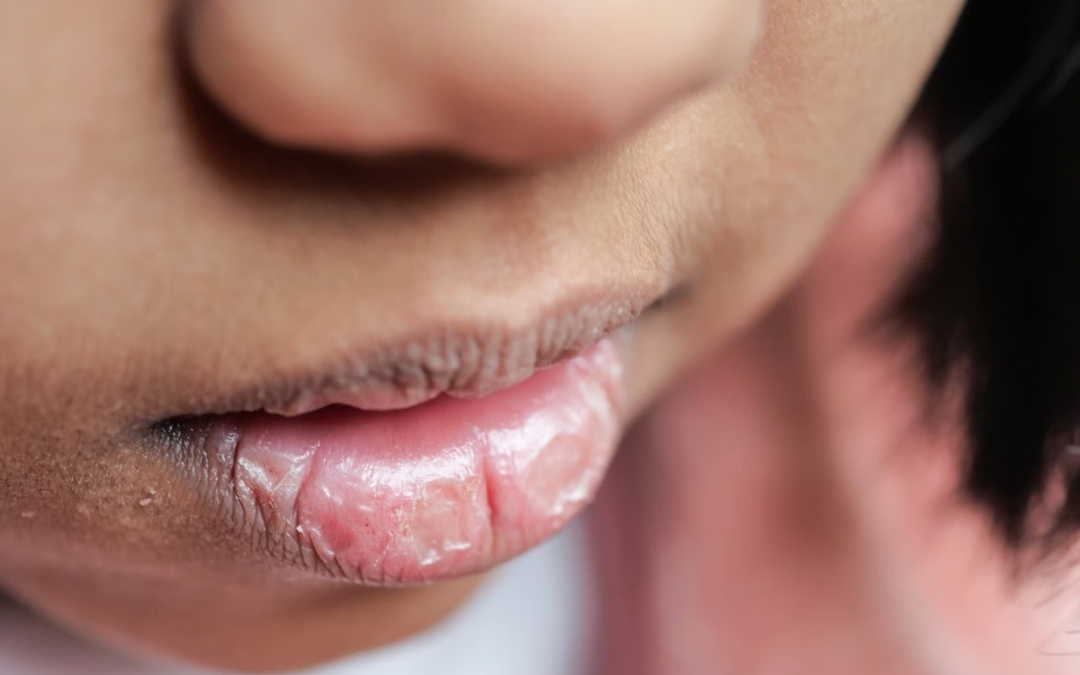
A healthy mouth depends heavily on saliva. When your body doesn’t produce enough of it, the result is a condition commonly called dry mouth, or xerostomia. While it might seem like a small inconvenience at first, ongoing dryness can make everyday activities like eating, talking, and swallowing uncomfortable.
Saliva does more than keep the mouth moist. It helps break down food, rinses away debris, and protects teeth and gums from harmful bacteria. Without adequate saliva, your mouth may start to feel sticky, your tongue may feel rough, and you might notice frequent thirst or irritation inside your mouth.
Occasional dryness can happen to anyone, especially if you’re dehydrated. But when it continues for days or weeks, it may indicate something more. A Provo dentist can examine your oral health, discuss your symptoms, and help determine whether medications, lifestyle habits, or a health condition may be affecting your saliva production.
Addressing dry mouth early can help prevent additional concerns such as cavities, gum inflammation, and persistent bad breath.
Signs That You May Have Dry Mouth
People experience dry mouth in different ways, but several symptoms tend to appear regularly. Paying attention to these changes can help you recognize the condition sooner.
Some common signs include:
- Feeling thirsty or dry throughout the day
- A sticky sensation inside the mouth
- Difficulty tasting foods clearly
- A dry or cracked tongue
- Irritation or sores inside the mouth
- Changes in your voice or hoarseness
- Trouble chewing or swallowing certain foods
If these symptoms occur frequently, it may be helpful to look at possible causes and make adjustments to support saliva production.
What Can Cause Dry Mouth?
Dry mouth doesn’t have just one cause. Several factors may affect how much saliva your body produces.
Medications
Many medications can reduce saliva as a side effect. Drugs used to treat allergies, depression, colds, and high blood pressure are among the most common.
Not Drinking Enough Fluids
Dehydration can quickly lead to dryness in the mouth. Even mild dehydration may reduce saliva flow.
Medical Conditions
Certain health conditions can affect the salivary glands and their ability to produce moisture. Autoimmune disorders, diabetes, and similar conditions sometimes contribute to this issue.
Aging
Some people notice changes in saliva production as they get older, especially when combined with medications.
Tobacco Use
Smoking or chewing tobacco can irritate oral tissues and may worsen dryness over time.
How Hydration Supports a Healthy Mouth
Staying hydrated is one of the simplest ways to support saliva production. Since saliva is made mostly of water, the body needs an adequate fluid supply to maintain proper moisture levels in the mouth.
When saliva levels drop, bacteria and plaque can accumulate more easily. This increases the risk of tooth decay and gum irritation.
Why Drinking Water Helps
Water keeps oral tissues hydrated and supports your body’s natural saliva production process.
Recommended Daily Water Intake
Although hydration needs vary from person to person, many health professionals suggest drinking around eight glasses of water daily as a general guideline. People who exercise frequently or live in warm climates may need even more.
Practical Ways to Stay Hydrated
If drinking enough water feels challenging, these simple habits can make it easier:
Add natural flavor
Fresh fruit slices such as lemon, orange, or berries can make water taste more appealing.
Try caffeine-free tea
Herbal teas provide hydration and can be soothing when your mouth feels dry.
Eat foods with high water content
Fruits and vegetables naturally contain water that contributes to your daily fluid intake.
Foods That May Help Ease Dry Mouth
Certain foods naturally support hydration and encourage saliva flow. Including them in your meals may help improve comfort.
Watermelon
This fruit is rich in water and provides a refreshing way to stay hydrated.
Cucumbers
Cucumbers contain a large amount of water and can help refresh the mouth.
Celery
Crunchy vegetables like celery encourage chewing, which stimulates saliva production.
Leafy Greens
Vegetables such as spinach, lettuce, and kale provide nutrients that support oral tissue health.
Yogurt
Plain yogurt, particularly varieties with probiotics, may help maintain a balanced environment in the mouth.
Soups and Broths
Warm soups offer hydration and are easy to eat when dryness makes chewing difficult.
Nuts
Chewing almonds or cashews may help activate saliva flow.
Apples and Pears
These fruits release moisture when chewed and can naturally stimulate saliva.
Sugar-Free Gum
Chewing gum without sugar can encourage saliva production and help keep the mouth moist.
Herbal Tea
Chamomile or peppermint tea can soothe the mouth while supporting hydration.
Foods and Drinks That May Make Dry Mouth Worse
Some dietary choices can increase dryness. Limiting these items may help reduce discomfort.
Dry, Crunchy Snacks
Foods like crackers, chips, and cookies can absorb moisture from the mouth.
Caffeine and Alcohol
Both substances can contribute to dehydration and may intensify dry mouth symptoms.
Sugary Treats
Excess sugar can increase the risk of tooth decay, especially when saliva levels are low.
Choosing softer, moisture-rich foods can make eating more comfortable while supporting oral health.
Natural Ways to Reduce Dryness
In addition to diet and hydration, certain habits may help manage dry mouth more effectively.
Use oral moisturizing products
Special mouth sprays or gels can provide temporary relief by coating the mouth.
Consider saliva-stimulating treatments
In some cases, healthcare professionals may recommend medications designed to encourage saliva production.
Adjust daily habits
- Avoid tobacco products
- Try breathing through your nose instead of your mouth
- Use a humidifier at night to add moisture to the air
These changes may help reduce dryness, especially during sleep.
Protecting Your Teeth When You Have Dry Mouth
Because saliva protects your teeth, maintaining strong oral hygiene becomes even more important when your mouth feels dry.
Helpful habits include:
- Brushing twice a day with a gentle toothpaste
- Flossing daily to remove plaque between teeth
- Using alcohol-free mouthwash to avoid additional dryness
- Scheduling regular dental visits for professional cleanings and exams
Routine dental care helps detect potential issues early and keeps your teeth and gums healthy.
Finding Long-Term Relief From Dry Mouth
Dry mouth can be uncomfortable, but many people find relief by making simple adjustments to their hydration, diet, and daily habits. Drinking enough water, choosing foods with high moisture content, and maintaining good oral hygiene can significantly improve comfort.
If dryness continues or starts interfering with daily activities, it may be time to seek professional advice.
If you are experiencing ongoing symptoms of dry mouth, schedule an appointment with a Provo dentist to receive a personalized evaluation and treatment plan.
Frequently Asked Questions
Can dry mouth affect my dental health?
Yes. Without enough saliva, bacteria can build up more easily, increasing the risk of cavities and gum problems.
What is the best drink for dry mouth?
Water is usually the most effective option. Herbal teas and clear broths can also help keep the mouth hydrated.
Does chewing gum really help with dry mouth?
Sugar-free gum can stimulate saliva production, which may provide temporary relief from dryness.
Why does dry mouth often feel worse at night?
Dryness at night is often linked to mouth breathing, dehydration, or certain medications that reduce saliva flow while you sleep.
Should I see a dentist if dry mouth continues?
Yes. Persistent dry mouth should be evaluated by a dental professional to identify possible causes and recommend appropriate treatment.