
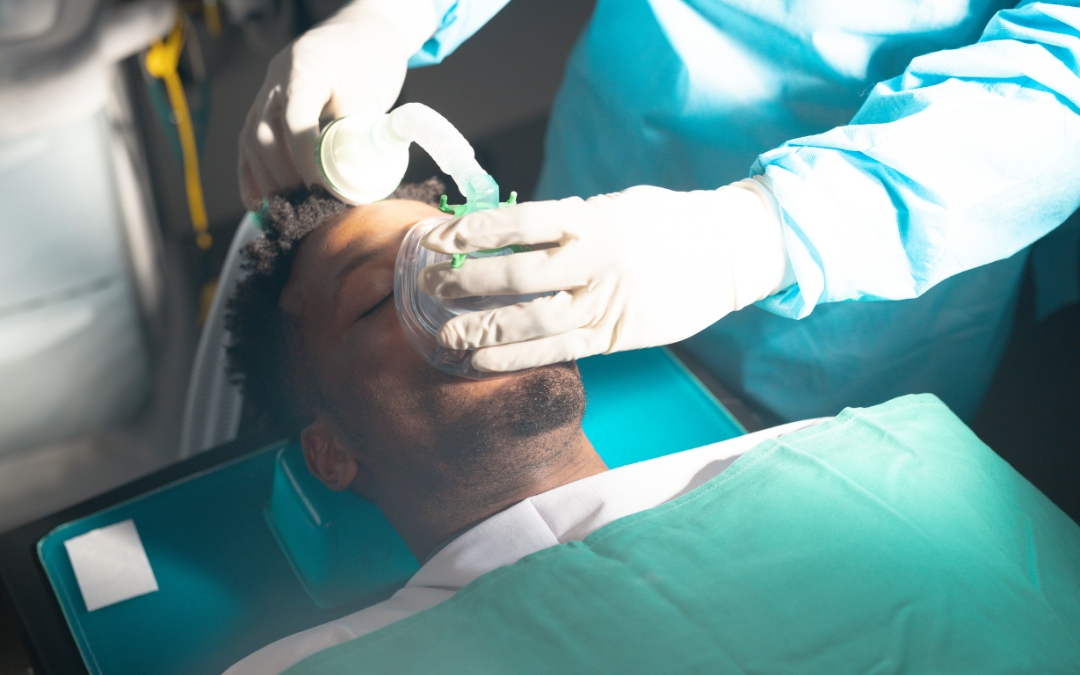
For some people, dental visits feel routine. For others, even sitting in the chair can bring discomfort, especially if they have a strong gag reflex. Something as simple as dental X-rays or impressions may trigger gagging, making treatment stressful and sometimes impossible to finish.
This reaction is more common than many patients realize. A sensitive gag reflex can turn a short appointment into an unpleasant experience, and over time, some patients start delaying care because of it. Unfortunately, postponing dental visits can lead to bigger oral health concerns later.
Fortunately, modern dentistry offers solutions that focus on patient comfort. One of the most helpful options is sedation dentistry for gag reflex, which allows people to stay calm and relaxed during dental procedures. Many patients who once avoided treatment find that sedation helps them finally complete necessary dental care.
If you’ve ever searched for a dentist near me because dental visits feel difficult due to gagging, you’re not alone. Dentists today are increasingly focused on comfortable dental treatment and techniques that improve dental comfort for patients with sensitive gag reflexes.
In places like Provo, UT, where people prioritize healthy, active lifestyles, maintaining oral health is part of overall well-being. Sedation dentistry makes it possible for patients to receive regular care without the discomfort they may have experienced in the past.
Understanding the Gag Reflex During Dental Procedures
The gag reflex is actually a protective mechanism. It helps prevent choking by causing the throat muscles to react when something touches the back of the mouth.
While this reflex is normal, some people experience it more strongly than others. In a dental setting, several factors can trigger it, including:
- Dental instruments touching the soft palate
- Anxiety about dental treatment
- Trouble breathing through the nose
- Sinus congestion or post-nasal drip
- Stress or tension in the throat muscles
Dental anxiety can make this reaction even stronger. When a person feels nervous, their body tends to tighten up, which increases throat sensitivity. That’s why many dental offices now focus on relaxed dentistry approaches that help patients feel at ease throughout the appointment.
A thoughtful dentist will also adjust techniques, work at a comfortable pace, and communicate clearly to help patients manage gag reflex triggers.
How Sedation Dentistry Makes Dental Visits Easier
Sedation dentistry focuses on creating a calm and relaxed environment during treatment. Instead of feeling tense or uncomfortable, patients experience a sense of ease that allows the dentist to complete procedures more smoothly.
For people with a sensitive gag reflex, this can make a significant difference.
Reduced Stress and Anxiety
Anxiety is closely linked to gag reflex sensitivity. When patients feel nervous, the body’s reflex responses tend to increase.
Sedation helps lower anxiety levels, allowing the body to relax. This relaxed state often improves gag reflex control, making dental procedures easier to tolerate.
Relaxation of Throat Muscles
Certain forms of sedation help relax the muscles throughout the body, including those involved in the gag reflex.
When these muscles are less tense, dental tools or imaging equipment placed in the mouth are less likely to trigger gagging.
More Comfortable Breathing
Patients who feel calm typically breathe more steadily during treatment. Smooth breathing helps prevent gag reflex triggers and contributes to comfortable dental treatment.
Sedation Options Commonly Used by Dentists
Different patients have different comfort levels, so a dentist may recommend several sedation options depending on the procedure and the patient’s needs.
Nitrous Oxide (Laughing Gas)
Nitrous oxide is widely used in dental offices and is known for its quick and gentle calming effect.
Patients breathe the gas through a small mask placed over the nose, which allows them to relax while remaining awake and responsive.
Benefits include:
- Rapid relaxation
- Adjustable sedation during treatment
- Quick recovery afterward
For many patients with gag reflex sensitivity, nitrous oxide helps create a calmer and more manageable experience.
Oral Sedation
Oral sedation involves taking medication before the appointment. This medication helps patients feel calm and drowsy by the time treatment begins.
Although patients remain conscious, they often feel deeply relaxed during the procedure.
IV Sedation
Some dental offices offer IV sedation for patients who experience severe anxiety or require longer procedures. This option creates a deeper level of relaxation while still allowing the dentist to communicate with the patient if necessary.
Your dentist will carefully review your health history before recommending the best approach.
Other Ways Dentists Help Control a Gag Reflex
Sedation is helpful, but it is usually combined with other techniques that support patient comfort.
Adjusting the Treatment Position
Some patients feel less gagging when they are positioned slightly upright instead of fully reclined.
Supporting Nasal Breathing
Clear nasal breathing reduces gag reflex triggers. In some cases, dentists recommend nasal strips or other simple solutions to improve airflow.
Using Smaller Instruments
Modern dental equipment is designed to be more compact and less intrusive in the mouth, which helps improve dental comfort.
Digital Impressions
Traditional impression trays can be difficult for patients with sensitive gag reflexes. Digital scanning technology allows dentists to capture detailed images of teeth without bulky trays.
Why Regular Dental Care Is Still Important
Avoiding dental visits due to gag reflex discomfort can lead to untreated oral health issues. Small problems like cavities or gum inflammation may become more serious if they go unchecked.
According to the American Dental Association, regular dental visits are essential for detecting early signs of tooth decay, gum disease, and other oral health concerns.
Sedation dentistry allows patients to receive preventive care, restorative treatments, and routine cleanings without the stress that once made dental visits difficult.
For people living in Provo, UT, having access to a caring dentist who prioritizes comfort can make dental care much easier to maintain over time.
If gag reflex sensitivity has made dental visits challenging, speaking with a dentist about sedation options may help create a more comfortable experience.
What a Sedation Dentistry Visit Usually Looks Like
Many patients are surprised by how simple the process can be.
Initial consultation:
Your dentist will review your medical history and talk about your gag reflex concerns.
Sedation planning:
Together, you’ll decide which sedation option best fits your comfort needs.
Treatment:
The dentist completes the procedure while you remain relaxed and comfortable.
Recovery:
Depending on the type of sedation used, recovery may be quick or require a short rest period.
Patients often report that dental visits feel much more manageable after choosing sedation dentistry.
Frequently Asked Questions
Can sedation dentistry prevent gagging completely?
Sedation significantly reduces gag reflex sensitivity in most patients. While it may not eliminate the reflex entirely, it usually makes dental procedures far more comfortable.
Is sedation dentistry safe for most patients?
Yes. Sedation dentistry is widely used and considered safe when administered by a trained dentist who reviews your health history.
Will I be asleep during the procedure?
Most sedation options keep patients awake but relaxed. Deeper sedation methods may create a very calm or sleepy feeling.
How long does sedation last?
Nitrous oxide wears off quickly after the mask is removed. Oral or IV sedation may take longer to wear off.
Should I tell my dentist about my gag reflex before treatment?
Absolutely. Sharing this information allows your dentist to plan techniques and sedation options that improve comfort.
Moving Toward More Comfortable Dental Visits
A strong gag reflex can make dental care difficult, but it does not have to keep you from maintaining good oral health. With the help of sedation dentistry for gag reflex, many patients are able to relax during treatment and complete procedures that once felt impossible.
Dentists today focus more than ever on relaxed dentistry, ensuring that every patient feels comfortable and supported during their visit.
If dental appointments have been difficult in the past because of gag reflex concerns, talking with a trusted dentist may help you find a better approach to care. A simple conversation about sedation options can open the door to more comfortable dental visits, and you can schedule an appointment when you feel ready to take the next step.